How to Choose the Right Logistics Provider for Your Business

The right logistics provider does more than move freight from point A to point B. It keeps your inventory flowing, your customers informed, and your costs predictable. The wrong one leads to missed deliveries, surprise charges, and hours spent chasing updates.
More businesses are now handing logistics to specialists. A Gartner market overview published in July 2026 found that one in three supply chain leaders expect their logistics outsourcing budgets to grow by at least 10% over the next two years. With that much spend moving to outside partners, choosing carefully matters more than ever.
This guide walks you through what a logistics provider actually does, the factors to evaluate, the red flags to avoid, and the questions to ask before you sign.

What Does a Logistics Provider Do?
A logistics provider manages the movement and storage of goods across your supply chain. Depending on the partner, this can include:
- Domestic and international freight (air, ocean, and truck)
- Warehousing, storage, and distribution
- Customs documentation and cross-border coordination
- Shipment tracking and reporting
- Planning for oversized or specialized cargo
A strong logistics partner works as an extension of your team. You focus on running the business while they make sure products arrive safely and on schedule.
Why the Right Logistics Partner Matters
Fewer Delays and Disruptions
Experienced providers plan routes, anticipate bottlenecks, and have backup carriers ready, so a single problem doesn’t stall your whole shipment.
Predictable Costs
A good partner helps you choose the right mode for each shipment. That might be air for urgent orders, ocean for bulk, or truck for regional delivery, so you’re not overpaying for speed you don’t need.
Room to Grow
As volumes increase or you enter new markets, a flexible provider scales with you instead of forcing you to switch partners mid-growth.
When the fit is right, these relationships work well. The Third-Party Logistics Study found that 95% of shipper respondents described their 3PL relationships as successful.
6 Key Factors to Consider When Choosing a Logistics Provider
1. Industry Experience
Ask whether the provider has handled shipments like yours before. Moving retail stock is very different from moving industrial machinery or temperature-sensitive goods. A provider with relevant experience already understands the regulations, packaging needs, and delivery expectations of your industry.
For example: a manufacturer shipping heavy equipment from New Jersey to a client site overseas needs a partner who can coordinate trucking to the port, ocean freight, customs clearance, and final-mile delivery. A general courier is not built for that job.
2. Range of Freight and Service Options
Look for a provider that offers more than one way to move your goods. This lets you match each shipment to the right mode:
- Air freight services for time-sensitive or high-value cargo
- Ocean freight for large-volume international shipments at lower cost
- Truck freight services for domestic and regional delivery
- Warehouse storage and distribution for inventory you need to hold and dispatch
Working with one partner across all four modes also means fewer handoffs and a single point of contact.
3. Capability for Complex Transportation Projects
Oversized cargo, heavy machinery, and multi-stage shipments need detailed route planning, the right equipment, and close coordination. If your business handles transportation projects like these, ask the provider for examples of similar work before you commit.
4. Technology and Shipment Visibility
You should never have to call three times to find out where your freight is. Check whether the provider offers:
- Real-time tracking
- Proactive delay alerts
- Clear delivery confirmations and documentation
- Reporting on transit times and costs
Good visibility lets you update your own customers quickly and fix issues before they grow.
5. Network Coverage and Reliability
| Factor | Why It Matters |
| Service locations | Determines where they can pick up and deliver |
| Carrier network | More carriers means more capacity and backup options |
| International reach | Essential if you import, export, or plan to |
| Operational capacity | Shows whether they can handle your peak seasons |
If you ship between the US and India, or plan to expand internationally, confirm the provider has proven experience on those lanes. Their international logistics services should include customs coordination, not just transport.
6. Customized Solutions, Not Just the Lowest Price
The cheapest quote often becomes the most expensive once delays, damaged goods, and hidden fees add up. Compare providers on reliability, communication, and how well they tailor solutions to your needs, not on rate alone.
Red Flags to Watch For
- Vague quotes with unclear surcharges
- No written service-level commitments
- Slow or inconsistent replies during the sales process (it rarely improves after signing)
- No real-time tracking
- Reluctance to share references or examples of similar shipments
Managing Logistics In-House vs Hiring a Logistics Provider
| In-House Logistics | Professional Logistics Provider |
| Needs dedicated staff and systems | Access to an experienced team from day one |
| You carry full operational risk | Shared responsibility and carrier backup |
| Hard to scale quickly | Scales with your shipment volume |
| Limited carrier negotiating power | Established carrier relationships and rates |
| Complex projects stretch internal resources | Specialized handling for complex transportation projects |
How Merkay Logistics Helps
Merkay Logistics supports businesses with air, ocean, and truck freight, warehousing and distribution, and international logistics, all through one coordinated team. Whether you’re moving a single urgent shipment or managing a multi-stage transportation project, we plan the right route, keep you updated at every step, and make sure your cargo arrives on time.
Talk to our team about your shipment →
Frequently Asked Questions
1. What does a logistics provider do?
A logistics provider manages the movement, storage, and coordination of goods throughout the supply chain. Their services may include transportation, freight management, warehousing, distribution, shipment tracking, and supply chain support to help businesses move products efficiently.
2. How do I choose the right logistics provider for my business?
When selecting a logistics provider, consider their industry experience, transportation capabilities, service coverage, technology, shipment tracking options, and ability to handle your specific requirements. A reliable partner should offer flexible logistics solutions that match your business needs.
3. What types of transportation services do logistics companies provide?
Logistics companies typically provide multiple transportation options, including road freight, air freight, ocean freight, and specialized transportation services. The right transportation method depends on shipment size, delivery timeline, destination, and cargo requirements.
4. How can a logistics provider improve supply chain efficiency?
A professional logistics provider helps improve supply chain efficiency through better transportation planning, inventory management, shipment visibility, optimized routes, and reliable coordination between suppliers, warehouses, and customers.
5. What are transportation projects in logistics?
Transportation projects involve the planning and movement of complex, oversized, heavy, or specialized shipments that require detailed coordination. These projects may include industrial equipment, machinery, large cargo, and time-sensitive deliveries that need customized logistics solutions.
6. Do logistics providers offer warehousing and distribution services?
Yes, many logistics providers offer warehousing and distribution services to help businesses store products, manage inventory, prepare shipments, and deliver goods efficiently to different locations.
7. What is the difference between freight transportation and logistics services?
Freight transportation focuses mainly on moving goods from one location to another, while logistics services cover the complete supply chain process, including transportation planning, warehousing, distribution, tracking, and coordination.
8. Can a logistics provider handle international shipments?
Yes, experienced logistics providers can manage international shipments by supporting freight movement, documentation, customs coordination, and global transportation requirements.
Conclusion
Choosing the right logistics provider comes down to experience, service range, visibility, network strength, and a willingness to tailor solutions to your business. Take time to compare options, ask the right questions, and look past the lowest quote.
If you’re looking for a partner that can handle everything from urgent air shipments to complex transportation projects, Merkay Logistics is ready to help.
More from the Merkay blog
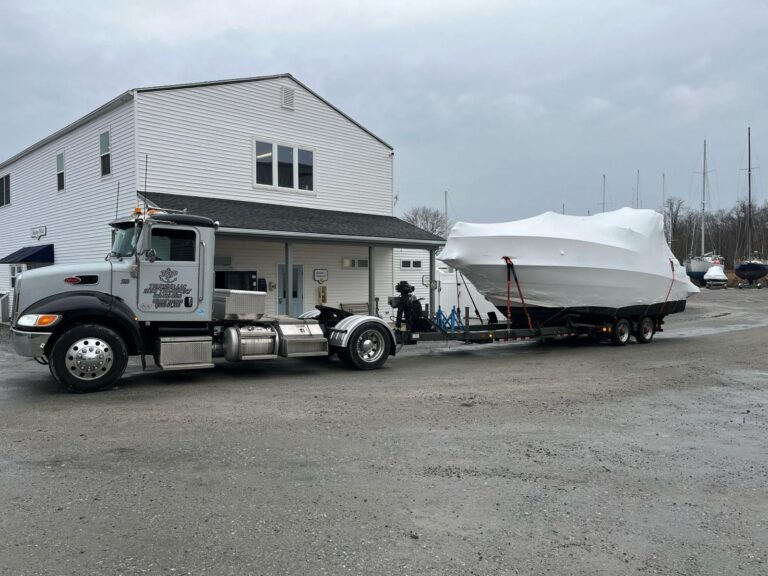
Truck Transportation Services: A Guide to Ground Freight Shipping in New Jersey
Moving commercial goods requires more than finding an available truck. Businesses need suitable transportation arrangements, clear communication, accurate…
Read article →
Port to Warehouse: Ground Freight Shipping in New Jersey with Merkay Logistics
Your container has arrived at the port. Now comes the part many importers underestimate: getting it released, picked…
Read article →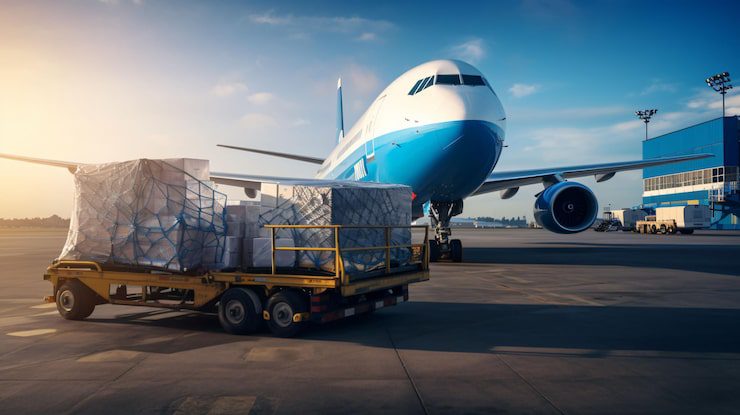
Air Freight Costs in New Jersey Explained: How Merkay Logistics Helps You Get an Accurate Quote
Two air freight quotes for the same shipment can look very different. One may seem cheaper until destination…
Read article →Ready to move your next shipment?
Book a call with a Merkay specialist and get a clear plan — or send us the details for a fast, itemised quote.